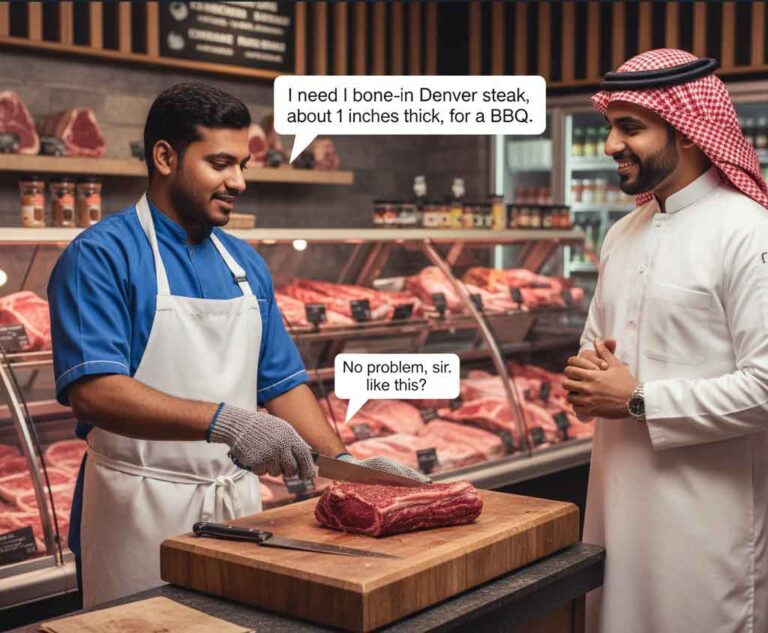
Bangladesh has built a strong global reputation for providing skilled, reliable, and hardworking manpower in various sectors—especially in the meat processing and butchery industry. From local markets to modern slaughterhouses, Bangladeshi butcher workers have consistently proven their expertise, professionalism, and dedication. Today, countries across the Middle East, Europe, and Asia actively recruit them for their growing meat processing needs.
In this blog, we explore the key reasons why Bangladeshi butcher workers are considered among the very best in the world.
1. Extensive Hands-On Experience
Butchery in Bangladesh is not just a profession—it’s a long-standing tradition. Many workers gain experience from a young age by assisting in local shops, markets, and family businesses.
This early start helps them master:
Meat cutting techniques
Carcass handling
Hygiene practices
Knife skills
Customer service
Their practical knowledge makes them job-ready for both traditional and industrial-level meat processing facilities.
2. Skilled in a Wide Range of Butchery Tasks
Bangladeshi butcher workers are versatile and able to perform a variety of tasks, including:
Slaughtering animals safely
Cutting and trimming meat with precision
Portioning meat as per international standards
Packaging and labeling
Working in high-volume meat processing plants
Their ability to adapt to different butchery styles—Halal, industrial cutting, retail meat preparation—makes them valuable assets for employers worldwide.
3. Strong Work Ethic and Discipline
Employers often highlight the impressive dedication of Bangladeshi workers. They are known for being:
Highly disciplined
Punctual and responsible
Respectful to supervisors
Focused on long-term contracts
Their commitment leads to high productivity and fewer turnovers, which is extremely beneficial for foreign employers.
4. Adaptable and Fast Learners
The global job market evolves quickly, and Bangladeshis are known for adjusting just as fast.
They are:
Flexible when shifting between roles
Quick to learn new tools, machinery, and techniques
Eager to undergo training
Comfortable working in diverse environments and teams
This adaptability is one of the main reasons companies prefer Bangladeshi manpower in modern slaughterhouses and meat processing industries.
5. Physically Strong and Able to Handle Demanding Work
Butchery is physically intensive—lifting, cutting, standing for long hours.
Bangladeshi workers are well-suited for this because of their:
Strong physical endurance
Experience in hands-on labor
Ability to handle long shifts
High stamina and resilience
This makes them reliable workers even in high-pressure environments.
6. Trained Through Official Channels
Bangladesh’s manpower export system ensures workers receive proper training and documentation before going abroad.
This includes:
Butchery skills training
BMET verification
Medical tests
Safety and hygiene certification
Pre-departure orientation
The result: employers receive skilled, healthy, and legally verified workers with the right job readiness.
7. Cost-Effective Yet High Quality Labor
Compared to many other countries, Bangladeshi butcher workers offer:
Competitive salary expectations
High skill quality
Strong productivity
This perfect balance of affordability and professionalism makes them a top choice for industries around the world.
8. Excellent Halal Meat Expertise
Because Bangladesh is a Muslim-majority country, butchers are highly experienced in halal slaughtering practices.
This expertise is valuable for:
Middle Eastern countries
Muslim communities worldwide
Halal-certified meat processing companies
Their deep understanding of religious and hygienic standards ensures proper compliance.
Bangladeshi butcher workers have earned global recognition for their skills, work ethic, and adaptability. Whether in local markets or advanced international meat processing plants, they deliver exceptional performance with consistency and care.
Their combination of experience, discipline, affordability, and halal expertise makes them truly among the best butcher workers in the world.